Introduction: Why Moisturizer is a Non-Negotiable Step
When building a morning skincare routine, many people focus on cleansers, toners, or serums, but often underestimate the importance of moisturizer. No matter your skin type—oily, dry, sensitive, or combination—moisturizer plays a critical role in keeping your skin balanced and healthy.
Moisturizer is not just about making your skin feel soft; it’s about locking in hydration, protecting the skin barrier, and enhancing the effectiveness of all the products applied before it. Without moisturizer, the benefits of your serums and essences can evaporate quickly, leaving your skin vulnerable to dryness, irritation, and environmental stressors.
In this article, we’ll explore why moisturizer is crucial in the morning, how it works, how to pick the right formula, and tips for application.
What Does a Moisturizer Do?
Moisturizers are specifically designed to hydrate the skin and prevent water loss. They work by combining three types of ingredients:
Humectants – Attract water to the skin’s surface (e.g., hyaluronic acid, glycerin).
Emollients – Smooth and soften the skin by filling in gaps between skin cells (e.g., ceramides, fatty acids).
Occlusives – Form a protective barrier to lock in hydration (e.g., shea butter, squalane).
Together, these ingredients keep your skin supple, plump, and resilient.
Why You Need Moisturizer in the Morning
Some people believe that if they use a serum or essence, they can skip moisturizer. However, that’s a common mistake. Here’s why moisturizer is necessary:
Seals in hydration from toner, essence, and serums
Strengthens the skin barrier to protect against pollutants and irritants
Prepares skin for makeup application by creating a smooth base
Prevents transepidermal water loss (TEWL) throughout the day
Supports skin health long-term by reducing sensitivity and premature aging
Types of Moisturizers and How to Choose
Choosing the right moisturizer depends on your skin type and climate.
1. Gel Moisturizers
Best for: Oily or combination skin
Texture: Lightweight, water-based, absorbs quickly
Benefits: Provides hydration without heaviness or clogging pores
2. Lotion Moisturizers
Best for: Normal to combination skin
Texture: Light cream consistency
Benefits: Balanced hydration, suitable for everyday use
3. Cream Moisturizers
Best for: Dry or mature skin
Texture: Rich and thick
Benefits: Deep hydration, restores skin barrier, ideal for cold climates
4. Balms and Ointments
Best for: Extremely dry, damaged, or sensitive skin
Texture: Heavy, occlusive
Benefits: Creates a strong protective shield, excellent for skin recovery
Key Ingredients to Look For in a Morning Moisturizer
Not all moisturizers are created equal. Look for these proven skin-friendly ingredients:
Hyaluronic Acid: A hydration magnet that plumps the skin.
Ceramides: Strengthen the skin barrier and lock in moisture.
Niacinamide: Helps regulate oil production and reduce redness.
Peptides: Improve firmness and elasticity.
Antioxidants (Vitamin E, Green Tea): Provide protection against free radicals.
Squalane: Mimics skin’s natural oils for lightweight hydration.
How to Apply Moisturizer Correctly
Even the best moisturizer won’t work effectively if applied incorrectly. Follow these steps:
Cleanse your face with a gentle cleanser.
Apply toner and serum first to hydrate and treat.
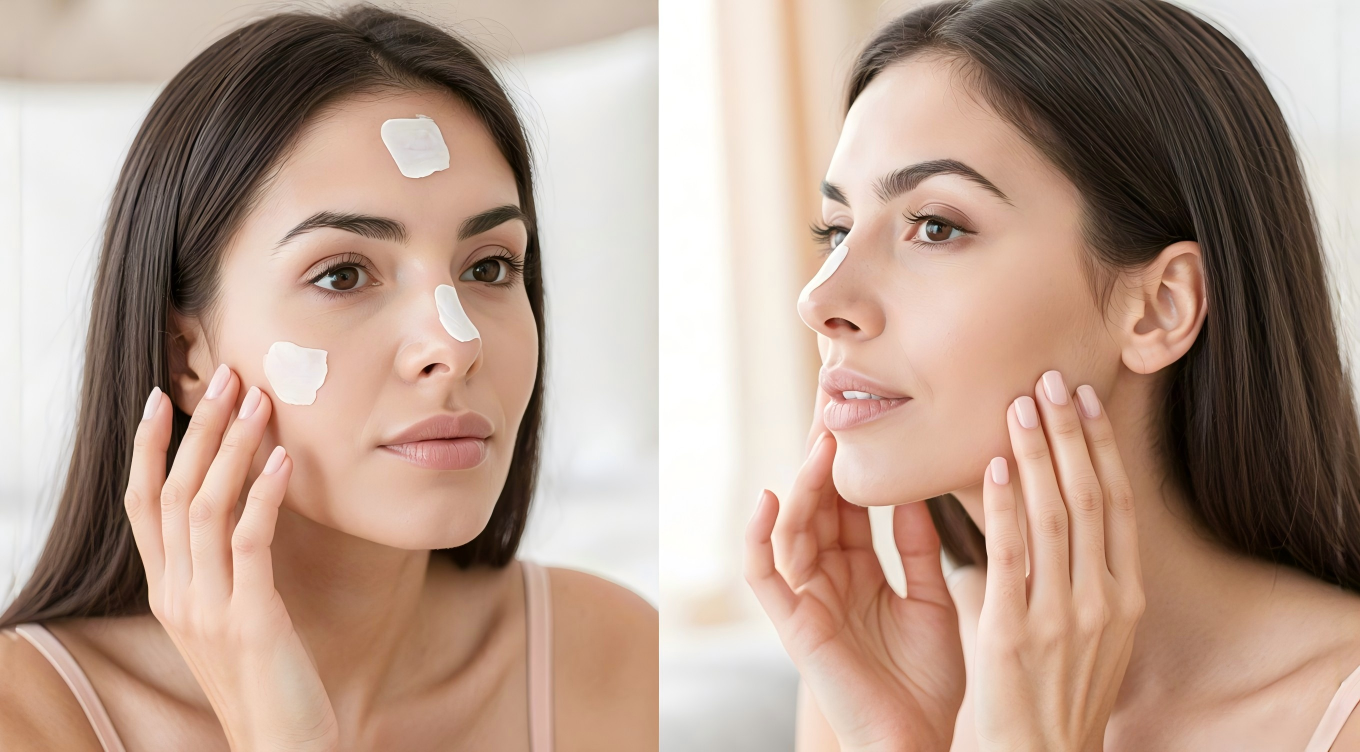
Take a pea-sized amount of moisturizer.
Dot it onto your forehead, cheeks, nose, and chin.
Massage gently upward using circular motions.
Don’t forget your neck and jawline.
Follow with sunscreen as the final step.
Pro Tip: Apply moisturizer to damp skin to help lock in even more hydration.
Common Mistakes to Avoid with Moisturizers
Skipping moisturizer if you have oily skin: Even oily skin needs hydration; skipping it can make your skin produce more oil.
Using too much product: Over-application can clog pores and feel greasy.
Choosing the wrong texture: Heavy creams may be too much for oily skin; gels may be too light for dry skin.
Forgetting your neck and décolletage: These areas also show signs of aging and need hydration.
Not adjusting seasonally: Use lighter moisturizers in summer and richer creams in winter.
Moisturizer and Makeup: The Perfect Duo
One often overlooked benefit of moisturizer is how it improves makeup application. Properly hydrated skin creates a smooth canvas for foundation, preventing cakiness or patchiness. Many makeup artists emphasize that great makeup starts with great skincare.
If you wear makeup daily, never skip moisturizer—it helps your makeup last longer and look more natural.
Frequently Asked Questions (FAQ)
Q1: Do I need moisturizer if I already use a hydrating serum?
Yes. A serum hydrates, but moisturizer locks in that hydration and protects your skin barrier.
Q2: Can oily skin skip moisturizer?
No. Skipping moisturizer can make oily skin worse by triggering excess oil production. Choose a lightweight gel formula instead.
Q3: Should I use the same moisturizer morning and night?
Not necessarily. Morning moisturizers are often lighter and may contain antioxidants, while night creams tend to be richer for overnight repair.
Q4: How long should I wait between serum and moisturizer?
About 30–60 seconds, or until your serum has fully absorbed.
Q5: Can moisturizer replace sunscreen?
No. Even if your moisturizer contains SPF, you should still use a dedicated sunscreen for full protection.
Final Thoughts: Moisturizer as the Guardian of Hydration
Moisturizer may not sound as glamorous as serums or exfoliating treatments, but it’s the product that ties your entire morning skincare routine together. It locks in hydration, strengthens your skin barrier, and ensures that your complexion stays smooth and supple all day.
Whether your skin is oily, dry, or somewhere in between, there’s a moisturizer designed to meet your needs. Think of it as the guardian of your skincare—without it, all the steps before become less effective.
So don’t skip it. Apply your moisturizer every morning after serum, and always finish with sunscreen. With consistency, your skin will thank you with a healthy, radiant glow.

Author Likeshowcosmetics