
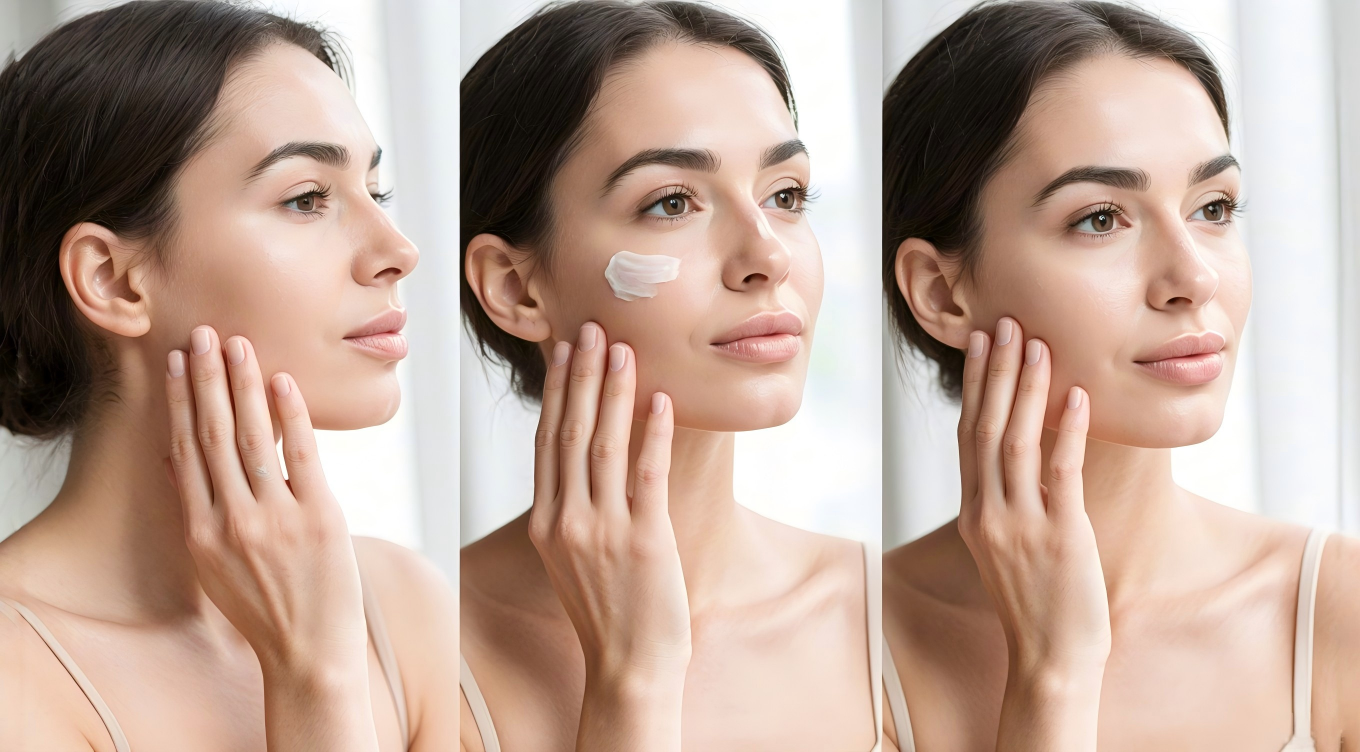
Introduction: The Final but Most Crucial Step
When it comes to skincare, there’s one product that dermatologists worldwide unanimously agree on: sunscreen is non-negotiable. While cleansers, toners, serums, and moisturizers prepare and treat your skin, sunscreen is what protects it from long-term damage.
Every day, whether it’s sunny, cloudy, or rainy, your skin is exposed to ultraviolet (UV) radiation. These invisible rays are the number one cause of premature aging, dark spots, uneven skin tone, and, most importantly, skin cancer. Without sunscreen, even the most expensive skincare products cannot prevent the cumulative damage caused by UV exposure.
In this article, we’ll explore why sunscreen is essential in your morning routine, the science behind SPF, how to choose the right sunscreen for your skin type, and the correct way to apply it.
Why Sunscreen is Essential Every Morning
Sunscreen is not just for the beach. UV rays are present year-round and can penetrate windows, meaning you’re exposed even indoors or while driving. Here’s why daily sunscreen use matters:
Protects against UVA and UVB rays – UVA causes premature aging; UVB causes sunburn.
Prevents skin cancer – Regular use significantly reduces the risk.
Slows visible aging – Prevents wrinkles, fine lines, and sagging.
Reduces hyperpigmentation – Helps avoid dark spots and uneven skin tone.
Boosts effectiveness of other skincare products – Vitamin C, retinol, and exfoliants work best when paired with SPF.
Skipping sunscreen essentially undoes the benefits of your skincare routine.
Understanding SPF and PA Ratings
SPF (Sun Protection Factor)
SPF measures protection against UVB rays (the ones that cause sunburn). For example, SPF 30 means your skin takes 30 times longer to burn than it would without sunscreen.
SPF 15 – Blocks ~93% of UVB rays
SPF 30 – Blocks ~97%
SPF 50 – Blocks ~98%
Dermatologists recommend SPF 30 or higher for daily use.
PA Rating (Protection Grade of UVA)
Often seen on Asian sunscreens, the PA system indicates UVA protection (the rays that age your skin).
PA+ = Some protection
PA++ = Moderate protection
PA+++ = High protection
PA++++ = Extremely high protection
For daily use, choose PA+++ or PA++++.
Types of Sunscreens: Chemical vs. Mineral
There are two main types of sunscreens, and each has its pros and cons.
1. Chemical Sunscreens
How they work: Absorb UV rays and convert them into heat, releasing it from the skin.
Pros: Lightweight, no white cast, great for everyday wear.
Cons: May cause irritation in sensitive skin; needs 15–20 minutes to activate.
Best for: Normal, oily, or darker skin tones.
2. Mineral (Physical) Sunscreens
How they work: Sit on top of the skin and reflect UV rays. Ingredients include zinc oxide and titanium dioxide.
Pros: Gentle on sensitive skin, provides immediate protection.
Cons: Can leave a white cast; thicker formulas.
Best for: Sensitive, acne-prone, or children’s skin.
Tip: Many modern sunscreens combine both chemical and mineral filters for broad-spectrum protection.
How to Apply Sunscreen Correctly
Applying sunscreen isn’t just about slapping it on quickly—it requires proper technique to be effective.
Step-by-Step Application
Apply as the last step of your skincare routine (before makeup).
Use enough product – about a nickel-sized amount for the face, or the “two-finger rule” (two strips of sunscreen along your index and middle finger).
Cover all areas – face, neck, ears, and even the back of your hands.
Apply 15–20 minutes before sun exposure if using chemical sunscreen.
Reapply every 2–3 hours when outdoors, and immediately after swimming or sweating.
Common Mistakes to Avoid
Using too little product (most people use less than half the needed amount).
Forgetting areas like ears, eyelids, and neck.
Not reapplying during the day.
Relying only on makeup with SPF (not enough protection).
Choosing the Right Sunscreen for Your Skin Type
With so many sunscreens on the market, it’s important to choose one that suits your skin type.
Oily Skin
Look for oil-free, gel-based, or mattifying formulas.
Ingredients like niacinamide help control shine.
Dry Skin
Opt for hydrating sunscreens with hyaluronic acid, ceramides, or glycerin.
Cream textures are best.
Sensitive Skin
Choose mineral sunscreens with zinc oxide or titanium dioxide.
Avoid fragrances and alcohol.
Combination Skin
Lightweight lotions or hybrid sunscreens balance hydration and oil control.
Ingredients to Look For in Sunscreen
Zinc Oxide & Titanium Dioxide: Physical filters that reflect UV rays.
Avobenzone, Octocrylene, Homosalate: Common chemical filters for UVA/UVB protection.
Antioxidants (Vitamin C, E, Green Tea): Provide extra defense against free radicals.
Niacinamide: Soothes skin and helps with oil control.
Hyaluronic Acid: Keeps skin hydrated throughout the day.
Sunscreen and Makeup: Can They Work Together?
Yes! Sunscreen should always go under makeup. If you wear foundation or BB cream, choose a sunscreen that layers well without pilling.
Pro Tip for Reapplication: Use a powder sunscreen or SPF spray over makeup during the day for convenience.
Frequently Asked Questions (FAQ)
Q1: Do I need sunscreen if I’m indoors all day?
Yes. UVA rays can penetrate windows and still damage your skin.
Q2: Can darker skin tones skip sunscreen?
No. While darker skin has more melanin and natural protection, it’s still vulnerable to hyperpigmentation and skin cancer.
Q3: Is SPF in makeup enough?
No. Makeup rarely provides sufficient SPF coverage—you’d need to apply several layers to match the protection of standalone sunscreen.
Q4: Can I mix sunscreen with moisturizer or foundation?
It’s not recommended, as this dilutes the protection. Always apply sunscreen separately.
Q5: What’s the difference between day cream with SPF and sunscreen?
Day creams with SPF offer some protection, but usually not enough for full coverage. A dedicated sunscreen is always more reliable.
Final Thoughts: Sunscreen as Your Ultimate Skin Protector
Sunscreen is not just the final step in your morning skincare routine—it’s the most important one. It shields your skin from daily UV damage, prevents premature aging, and ensures that all the effort you put into serums and moisturizers isn’t undone by sun exposure.
Think of sunscreen as your skin’s daily armor. Whether you’re heading to the office, running errands, or relaxing indoors near a sunny window, SPF should be a part of your everyday ritual.
Bottom line: Cleanse, tone, treat, moisturize, and protect. And among these steps, protection through sunscreen is the one you simply cannot negotiate.

Author Likeshowcosmetics

Exactly what I was searching for, thankyou for putting up.
I’m glad I can help you. If you have any needs, please contact us